
Para personas que tartamudean
La tartamudez no es una elección — es una condición neurológica
Entender tu tartamudez es el primer paso para manejarla con confianza. La experiencia de cada persona es única, pero con el apoyo y las herramientas adecuadas, la tartamudez no tiene por qué limitar tus oportunidades. Mantente en contacto con nosotros para recibir actualizaciones sobre los últimos avances en investigación y tratamientos para la tartamudez.
Mantente en contactoUna guía para hablar con tu médico sobre la tartamudez
¿Estás pensando en un tratamiento pero no estás seguro por dónde empezar? Esta guía está aquí para ayudarte a tomar el control de ese proceso. Ofrece orientación clara y práctica sobre cómo hablar con tu médico acerca de la tartamudez, desde describir tus síntomas hasta explorar opciones de tratamiento como la terapia del habla, la consejería y la medicación. También te ayuda a navegar situaciones en las que los proveedores pueden no estar familiarizados con la investigación actual. Tú conoces mejor tu experiencia y este recurso te ayuda a comunicarla y a abogar por la atención que mereces.
Ver guía (PDF)


Yoshikazu Kikuchi, MD, PhD
El Dr. Kikuchi es una persona que tartamudea y Profesor Asistente de Otorrinolaringología en la Facultad de Medicina de la Universidad Kyushu. El Dr. Kikuchi lleva a cabo investigaciones y brinda atención clínica a niños, adolescentes y familias que lidian con la tartamudez. Como una de las mentes médicas más destacadas en tartamudez, el Dr. Kikuchi ofrece sus excelentes ideas sobre la base cerebral de la tartamudez y los caminos que existen para el tratamiento y la terapia.
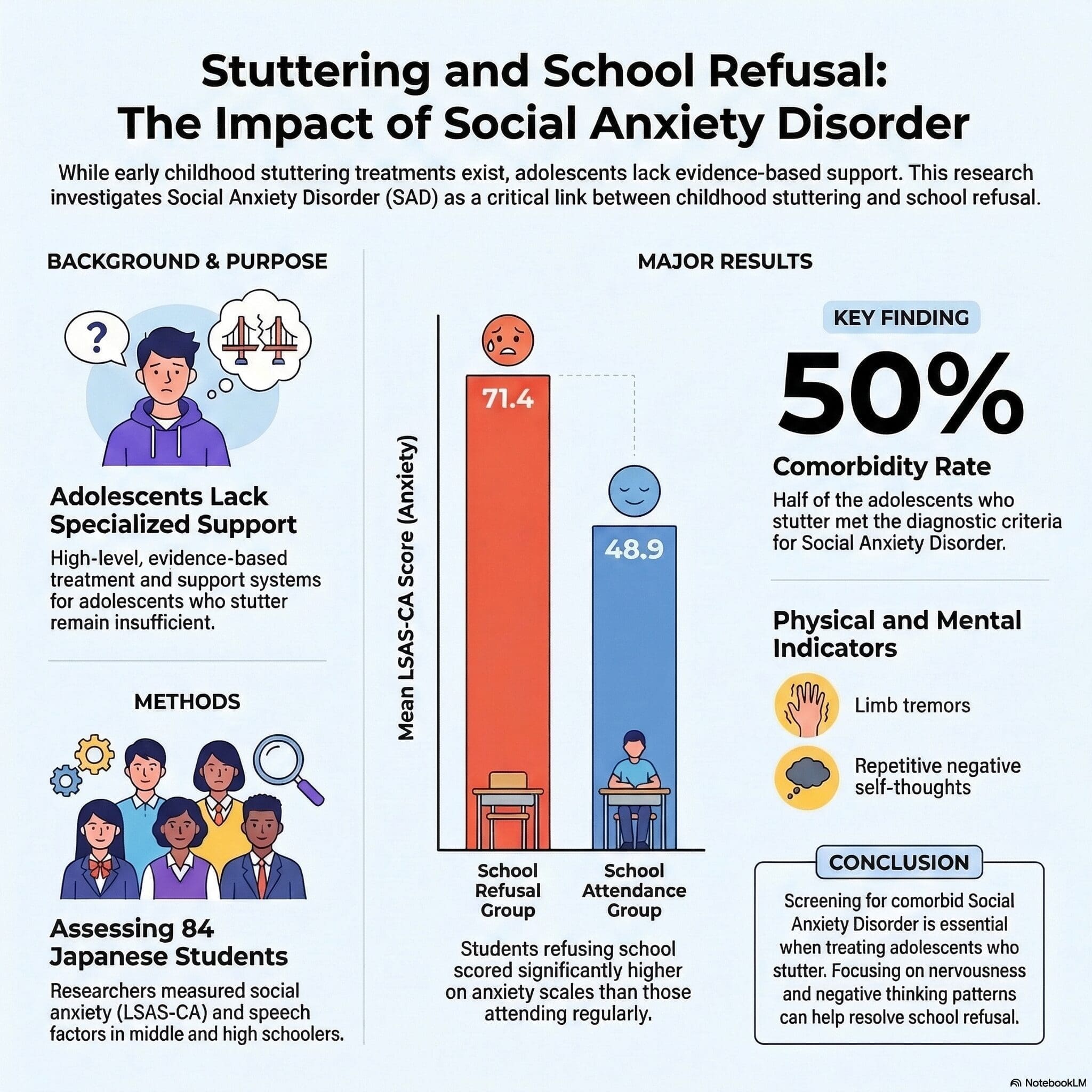
Tartamudez infantil y rechazo escolar
En un estudio realizado con adolescentes que tartamudean, 26% se negaban a asistir a la escuela y 50% cumplían los criterios para el trastorno de ansiedad social. La conclusión para los padres: la experiencia emocional que tiene su hijo con la tartamudez es tan importante como su habla, y detectar los signos a tiempo cambia los resultados.
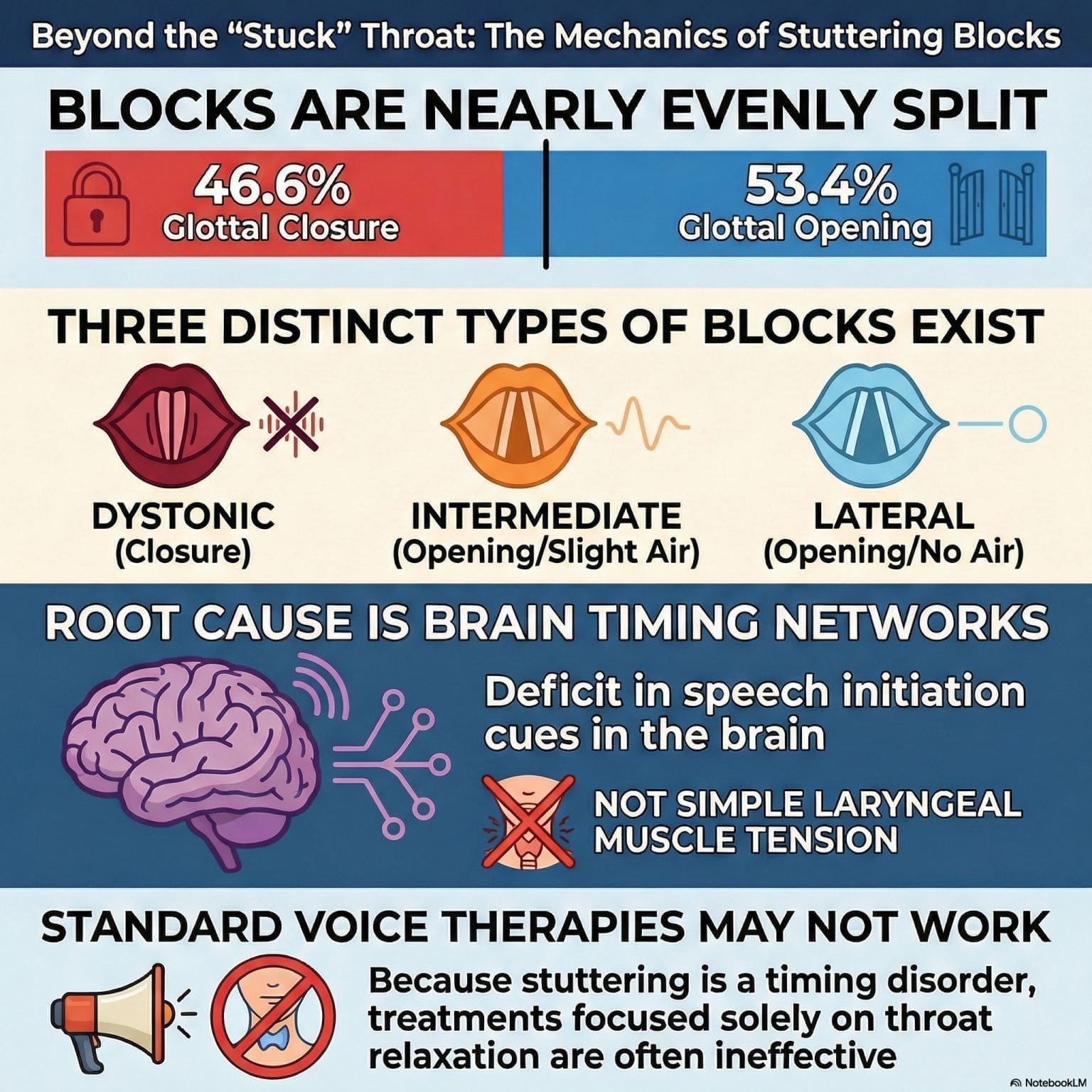
Más allá de la fluidez
La tartamudez es más de lo que escuchas.
Más información
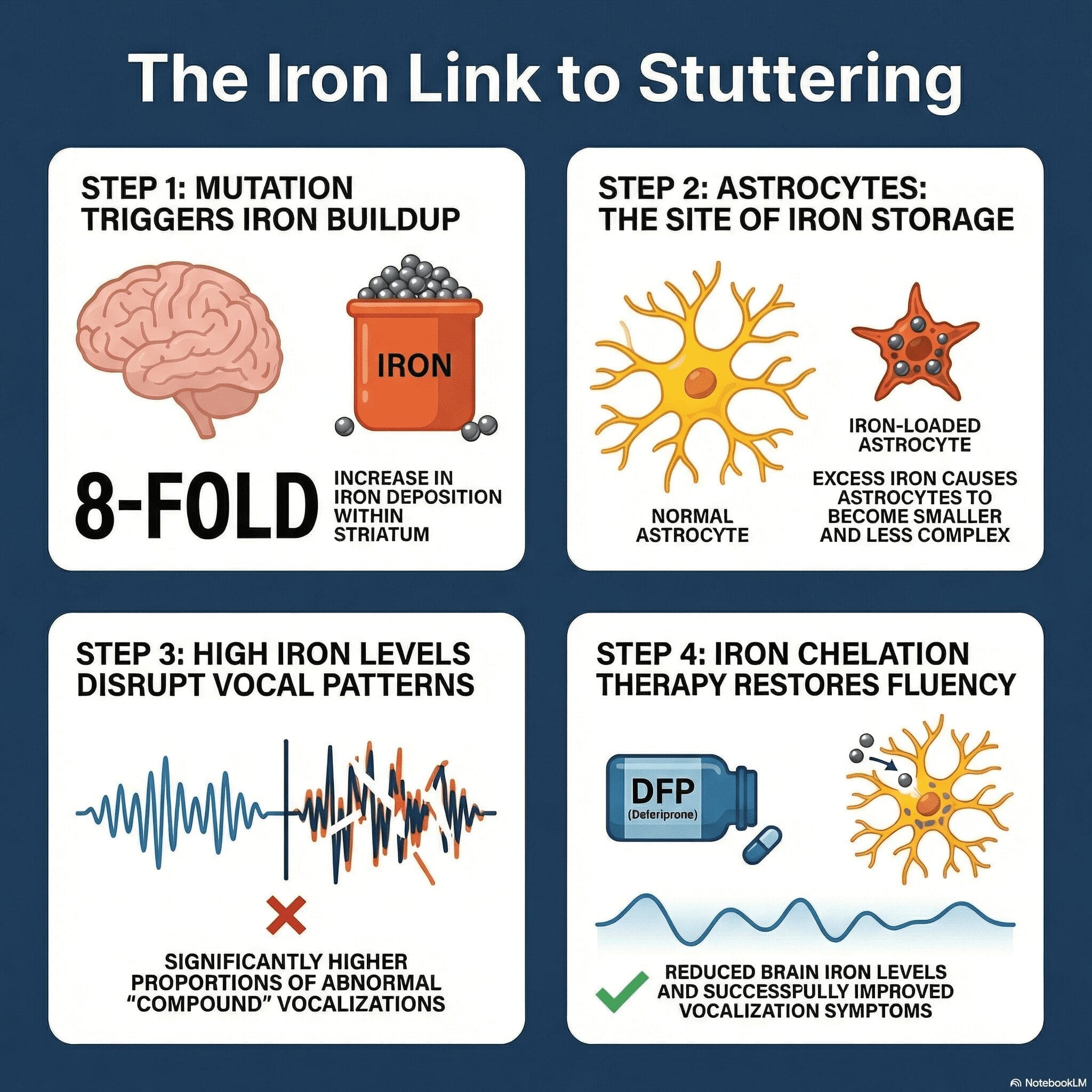
En el cuerpo
Cómo ocurre la tartamudez en el cuerpo.
Más información
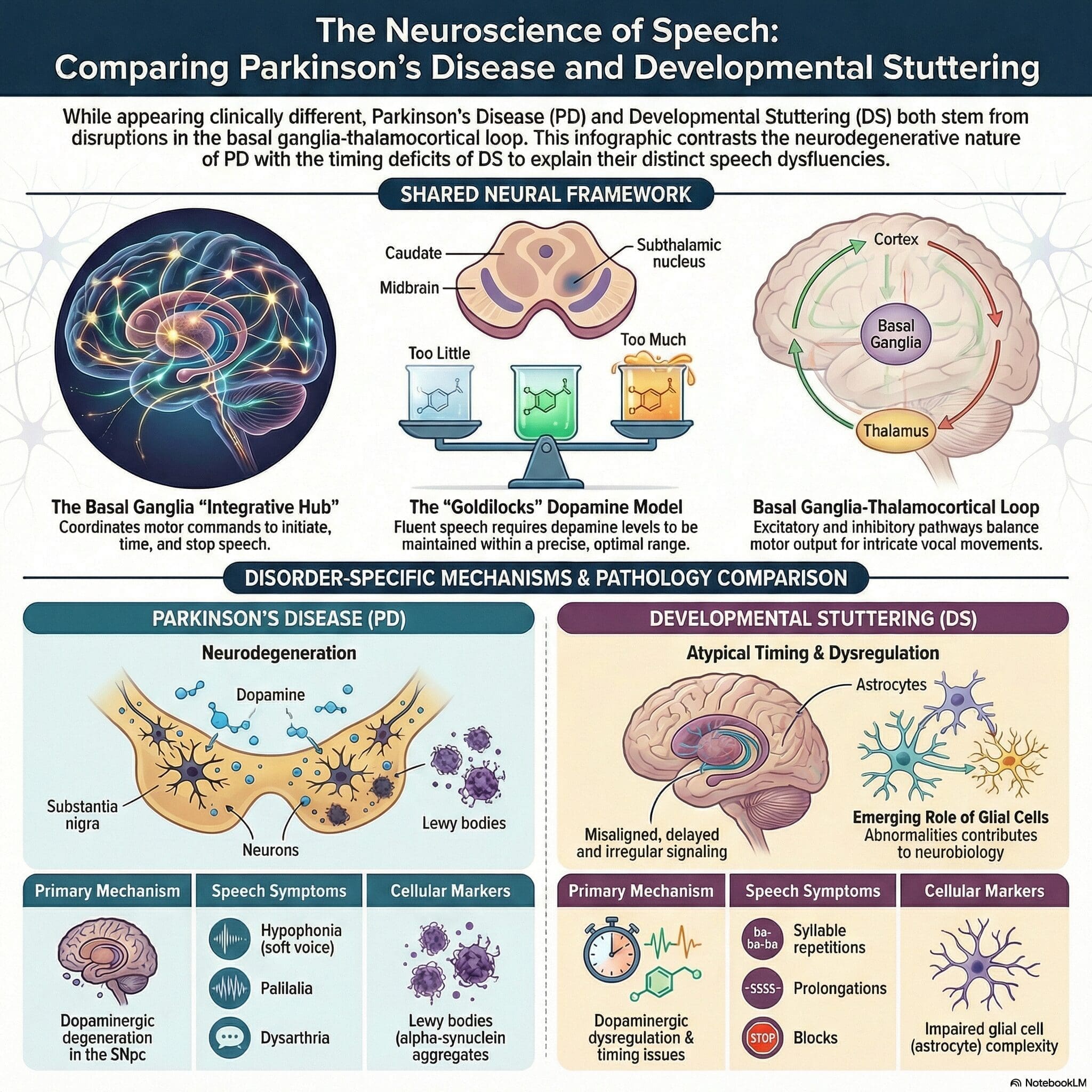
En el cerebro
Por qué el tartamudeo es biológico y no conductual.
Más información


Maura Miles
Maura Miles es maestra de educación especial, asesora comunitaria y persona que tartamudea. Basándose tanto en su experiencia profesional como en su experiencia vivida, ayuda a padres y maestros a navegar los IEPs, los Planes 504 y cómo las escuelas pueden apoyar verdaderamente a los estudiantes que tartamudean.
Comprendiendo las Evaluaciones Escolares
Cuándo, Por qué y Cómo Una guía para padres que explica cómo las escuelas identifican y apoyan a los estudiantes que tartamudean, desde los IEP y Planes 504 hasta lo que califica a un niño para recibir servicios de logopedia.
Comprensión de las discapacidades de baja incidencia y su financiamiento
Aprenda cómo la tartamudez se incluye en la financiación de educación especial, qué deben proporcionar las escuelas y cómo los padres pueden abogar por las necesidades de sus hijos.
Guía para padres y maestros para apoyar a estudiantes con tartamudez
Aprenda cómo padres y maestros pueden apoyar a los estudiantes que tartamudean, incluyendo consejos prácticos, estrategias para el aula, cómo responder en el momento y cómo acceder a servicios escolares como los IEP y la terapia del habla.
 English
  Spanish
  Portuguese
  Japanese