

For Families
People Who Stutter and the People Who Love Them
Stuttering is more than a speech difference—it can significantly shape a child’s academic, social, and professional future. Families play a crucial role in supporting children and young adults who stutter, helping them navigate challenges and access the right resources for success.
A Guide to Talking With Your Doctor About Stuttering
When someone you love stutters, supporting them often includes helping them navigate treatment and healthcare conversations. This guide provides insight into how people who stutter can prepare for appointments, advocate for themselves, and explore different paths to care. It also helps families better understand the challenges that can arise in clinical settings and how to be a steady, informed source of support. With the right tools and understanding, families can play an important role in helping their loved ones access care and feel empowered throughout the process.
View Guide (PDF)
The Science
Behind Stuttering:
A Deeper Understanding
Recent research highlights neurological, genetic and autoimmune factors that may contribute to stuttering. Understanding these underlying causes can lead to better treatment options and more effective support for children who stutter.



Yoshikazu Kikuchi, MD, PhD
Dr. Kikuchi is a person who stutters and an Assistant Professor of Otolaryngology Kyushu University School of Medicine. Dr. Kikuchi conducts research and provides clinical care to children, teenagers and families navigating stuttering. As one of the foremost medical minds in stuttering, Dr. Kikuchi provides his excellent insights about the brain basis of stuttering and what paths exist for treatment and therapy.
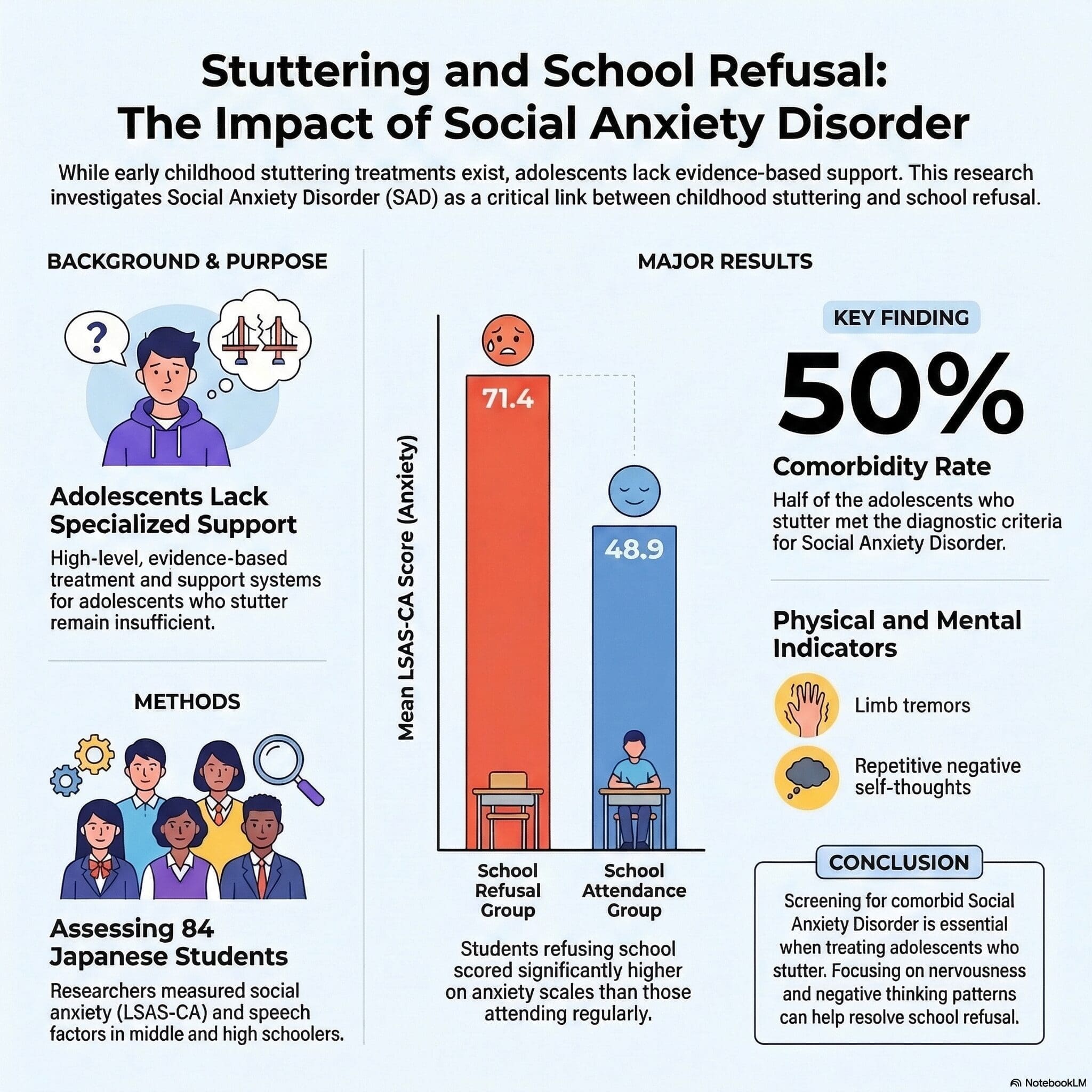
Childhood Stuttering and School Refusal
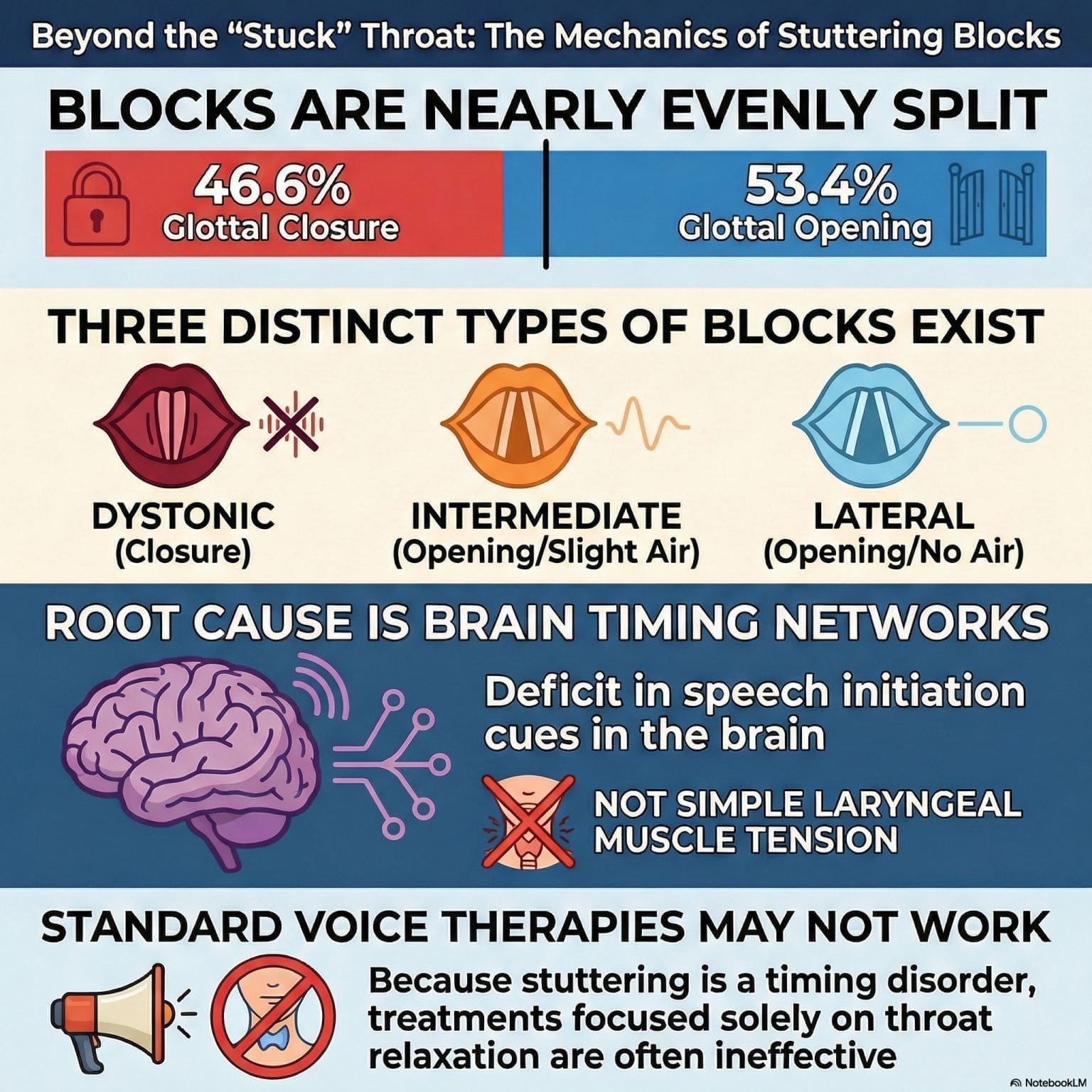
Beyond Fluency
Stuttering is more than what you hear.
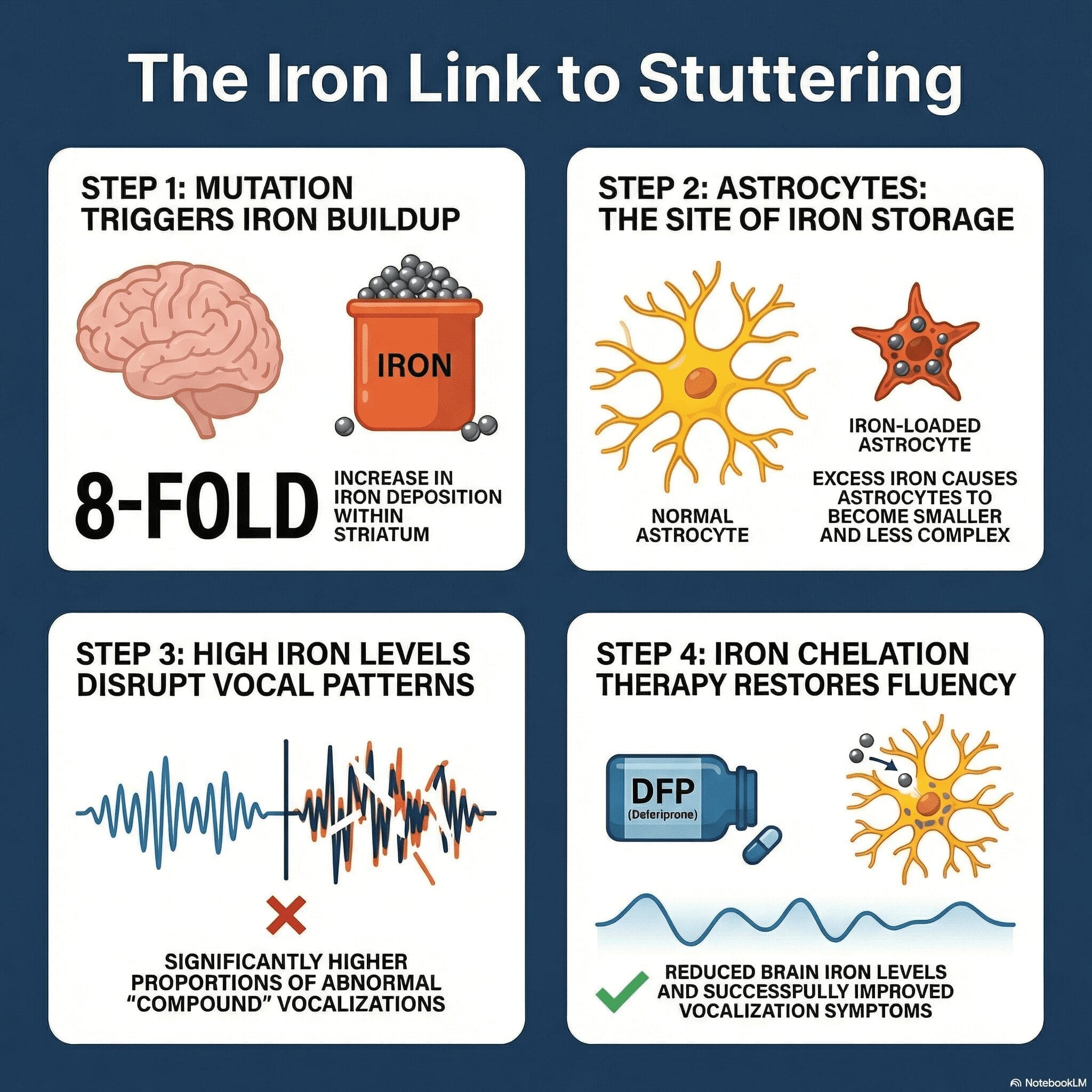
In the Body
How stuttering happens in the body.
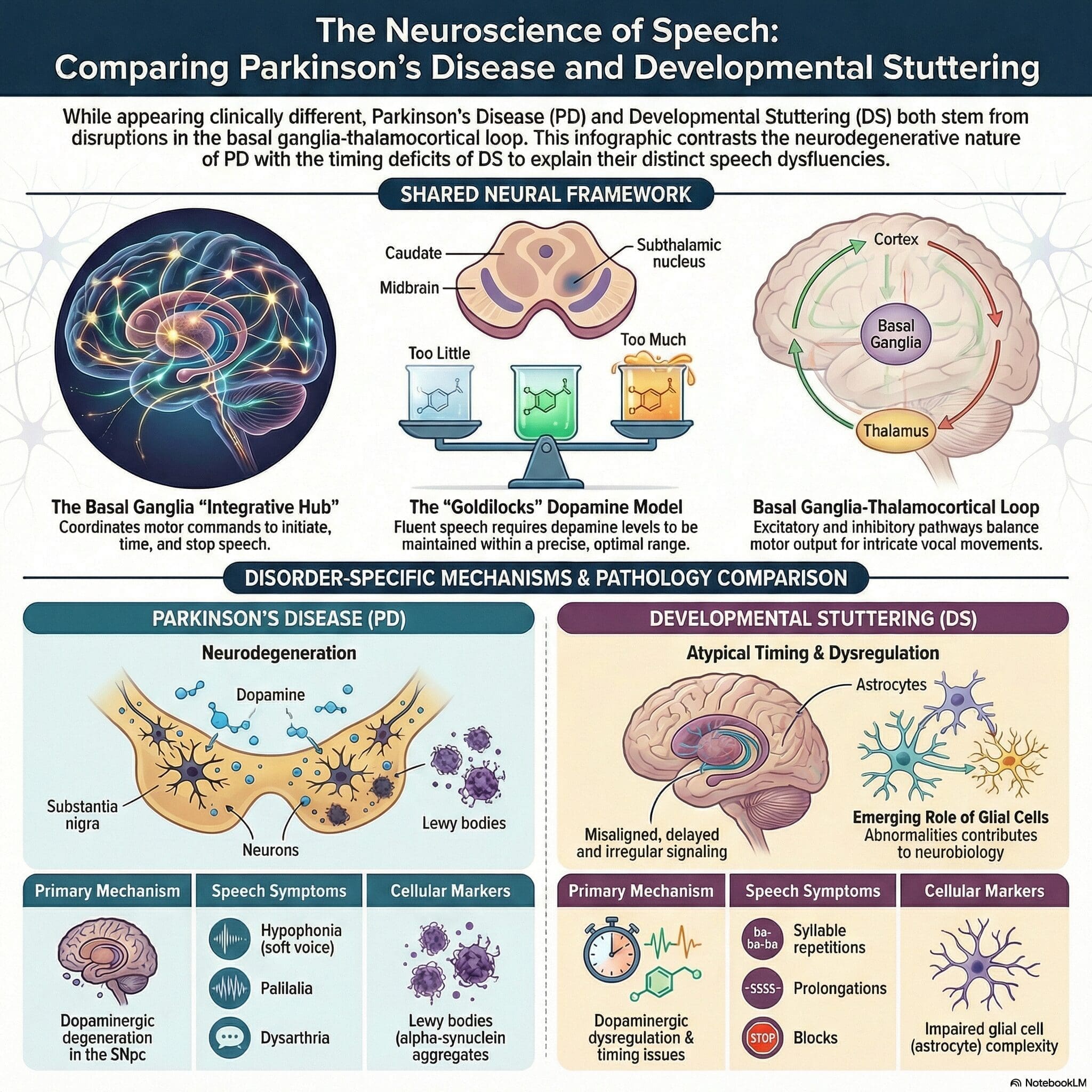
In the Brain
Why stuttering is biological, not behavioral.


Maura Miles
Maura Miles is a Special Education teacher, community advisor, and person who stutters. Drawing from both her professional expertise and lived experience, she helps parents and teachers navigate IEPs, 504 Plans, and how schools can truly support students who stutter.
Understanding School Evaluations
When, Why & How A guide for parents navigating how schools identify and support students who stutter, from IEPs and 504 Plans to what qualifies a child for speech services.
Understanding Low Incidence Disabilities & Funding
Learn how stuttering fits within special education funding, what schools are required to provide, and how parents can advocate for their child’s needs.
Parent & Teacher Guide to Supporting Students Who Stutter
Academic & Occupational Challenges
Stuttering can have a profound impact on academic performance and career opportunities. Despite intelligence and qualifications, many people who stutter face discrimination in schools and workplaces, leading to underemployment and missed opportunities.
Verbal communication skills are often a key factor in job interviews, yet many hiring managers undervalue the abilities of people who stutter, making it harder to secure positions.
In academic settings, students who stutter may be reluctant to participate in class, affecting grades, confidence, and future opportunities.
Workplace bias and misconceptions can limit career advancement, reinforcing the cycle of discrimination.
Creating a More
Inclusive Future
Through awareness, advocacy, and acceptance, we can create pathways for young people who stutter to thrive. Families, educators, and employers all play a role in ensuring equal opportunities and challenging outdated stereotypes about communication and success.

 English
  Spanish