
Meet the STARS Medical Advisors
Experts in Stuttering Treatment
Advances in stuttering care require strong connections between research and clinical medicine. Our Medical Advisors bring expertise from neurology, psychiatry, pediatrics, and other medical specialties to inform treatment approaches, support translational research, and improve care for people who stutter.
Advisory Committee Members
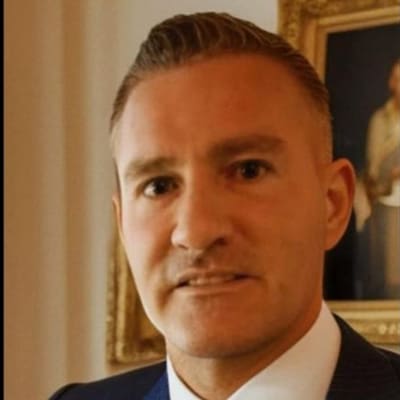
Alberto Acuña Marbán, MD, is a psychiatrist trained at the University of Costa Rica whose work centers on mental health, personal growth, and human connection. Born in Spain and raised in Costa Rica, he brings a multicultural perspective to his clinical and advocacy work. As a person who stutters, Alberto is deeply committed to raising awareness and promoting understanding of stuttering. His approach integrates professional expertise with lived experience, aiming to foster compassionate, inclusive spaces where individuals feel heard, supported, and represented.
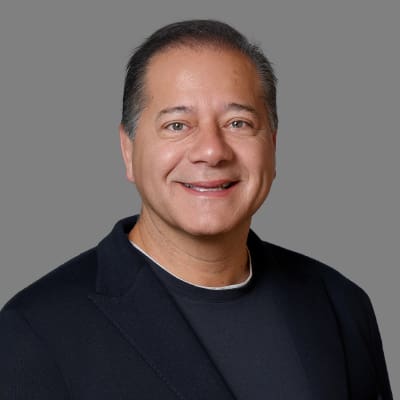
Gustavo “Gus” Alva, MD, is Medical Director of ATP Clinical Research in Orange County, California, and a board-certified neuropsychiatrist with extensive experience in clinical research and patient care.He previously served as Associate Professor and Deputy Director of the Clinical Research Division in the Department of Psychiatry and Human Behavior at the University of California, Irvine, and is a forensic psychiatric consultant for the Superior Court of California. Dr. Alva’s research has focused on treatments for Alzheimer’s disease and other complex psychiatric disorders, and he is a frequent national and international speaker.
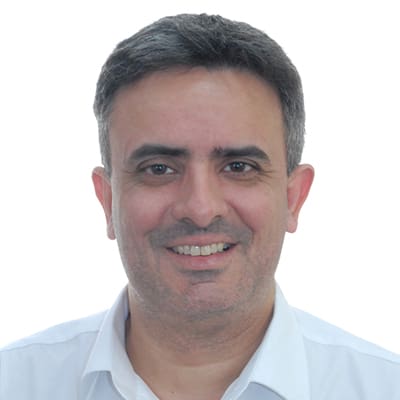
Raphael Machado Castilhos, MD, PhD, is a neurologist specializing in cognitive and behavioral neurology at Hospital de Clínicas de Porto Alegre in southern Brazil, where he coordinates the Dementia Outpatient Clinic. His research focuses on dementia epidemiology, phenotypic characterization of neurodegenerative diseases, and early detection of Alzheimer’s disease. An investigator in major Brazilian cohorts and principal investigator of the BRASCODE study, Dr. Castilhos is also a person who stutters. Motivated by his lived experience, he aims to expand his research to include stuttering, with particular interest in its epidemiology and phenotypic presentation within the Brazilian population.
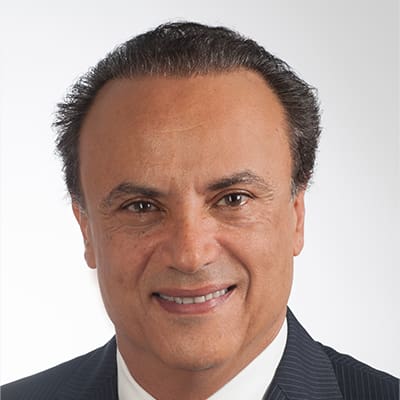
George Garibaldi, MD, is a co-founder of StutterSenseAI Therapeutics, Inc. Trained in child psychiatry, statistics, mathematical modeling, and psychopharmacology, he is a longtime developer of central nervous system (CNS) therapies with a focus on translating innovation into real-world clinical impact. George is a strong advocate for patient-centered development and has consistently integrated patient and family perspectives into therapy design. Together with Dr. Gerald Maguire, he co-developed the Brief Stuttering Assessment. He is a co-founder and past president of the International Society for Central Nervous System Clinical Trials and Methodology (ISCTM), a former chairman of the International Society for CNS Drug Development (ISCDD), and a member of the American Academy of Child and Adolescent Psychiatry (AACAP).

Dr. Alexander Wolff von Gudenberg is a general practitioner with specialized training in speech and language disorders and personal experience with stuttering. He founded the Kasseler Stuttering Therapy (KST) in 1996, a fluency-shaping approach combining therapy with web-based auditory and visual feedback that has treated about 5,000 clients and has been available online since 2013.
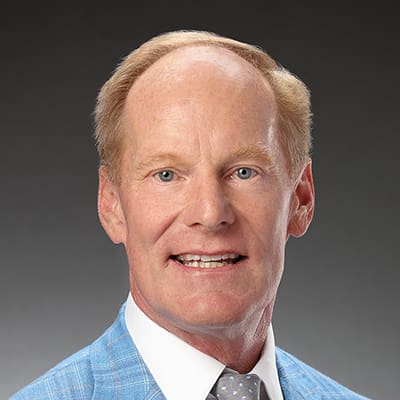
Gregory W. Mattingly, MD, is an Associate Clinical Professor of Psychiatry at Washington University School of Medicine in St. Louis and CEO of the Midwest Research Group. He is a nationally recognized expert in psychopharmacology with more than two decades of experience in clinical research and medical education. Dr. Mattingly has served as a principal investigator in over 500 clinical trials and currently serves as President of the American Professional Society for ADHD and Related Disorders (APSARD). His work focuses on advancing evidence-based treatments for neuropsychiatric and neurodevelopmental disorders.
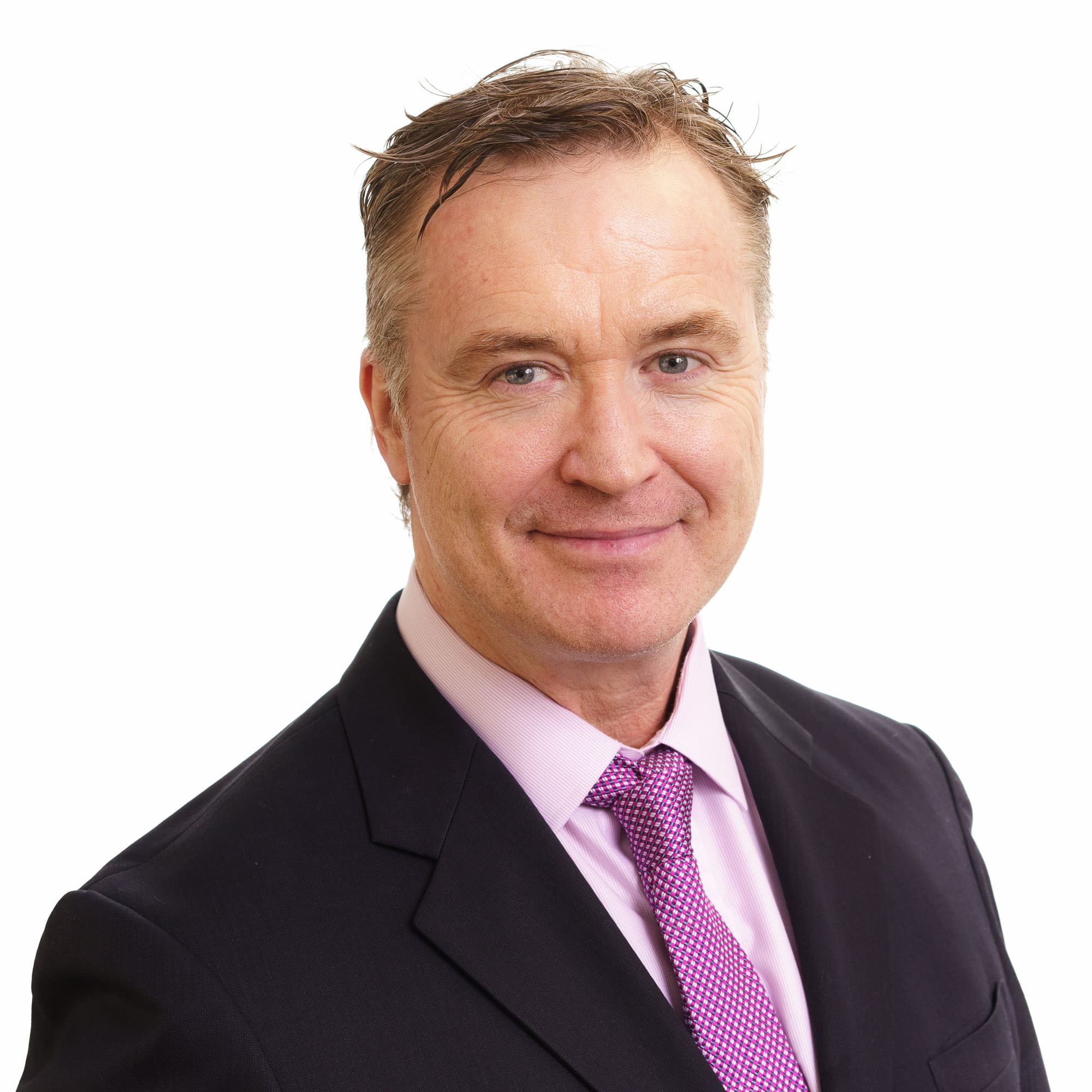
Roger McIntyre, MD, is a Professor of Psychiatry and Pharmacology at the University of Toronto and an internationally recognized leader in mood disorders research. He has been named by Clarivate Analytics as one of The World’s Most Influential Scientific Minds for multiple consecutive years. Dr. McIntyre’s work focuses on the neurobiology and treatment of mood disorders, with particular interest in innovative and rapid-acting therapeutics. He is a highly published researcher, a frequent international speaker, and has contributed extensively to clinical practice guidelines for depression and bipolar disorder.
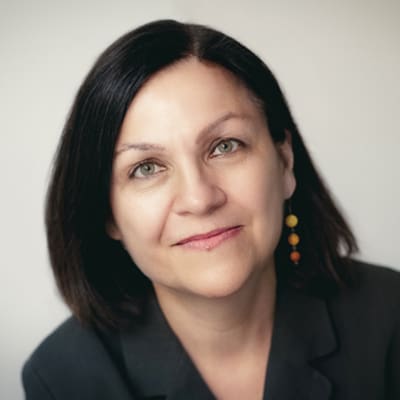
Katrin Neumann, MD, PhD, is a physician specializing in phoniatrics, pediatric audiology, and otolaryngology. She is a Professor of Population Medicine in Communication Disorders and Director of the Department of Phoniatrics and Pedaudiology at Muenster University Hospital in Germany.
She leads the Audiology Center Muenster, co-chairs the Cochlear Implant Center Muensterland, and advises the WHO on ear and hearing care. She also represents several international professional societies within the WHO World Hearing Forum.
Dr. Neumann is Editor-in-Chief of the Journal of Fluency Disorders and has authored more than 280 publications. Her research focuses on hearing, speech, language, fluency, and voice disorders, as well as newborn hearing screening and rehabilitation with hearing devices.
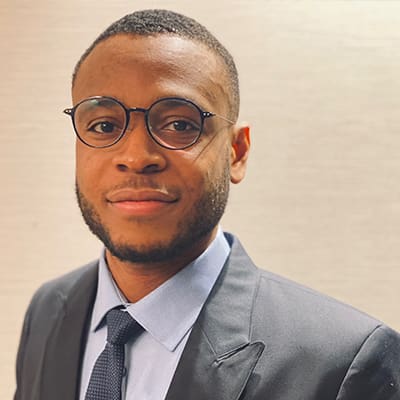
Peter N. Nwokoye, MPhil, is an MD candidate at Stanford University School of Medicine on the physician–scientist track. His work bridges neuropharmacology, GPCR biology, and computational drug discovery, with a focus on the neurobiological basis of stuttering.At Stanford, Peter developed machine learning and bioinformatics approaches to uncover novel ligand–receptor interactions with therapeutic potential. His current research explores how GPCR signaling within cortico-striatal circuits may influence speech fluency regulation, closely aligning with STARS’s mission to advance neuroscience-based understanding and treatment of stuttering.
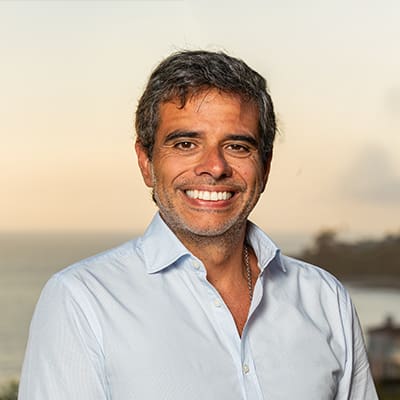
Tiago Proença dos Santos, MD, is a pediatrician and pediatric neurologist at Hospital de Santa Maria in Lisbon, Portugal, where he has worked in neuropediatrics since 2013. Trained in pediatrics, neuropediatrics, and psychiatry, he brings a multidisciplinary approach to child and adolescent neurodevelopment and mental health.Dr. Proença dos Santos combines clinical practice with academic and regulatory roles, serving on the Medical Advisory Board of the European Medicines Agency (EMA) and as a medical advisor to Infarmed, the Portuguese Authority of Medicines and Health Products. His clinical and research interests focus on movement disorders, higher cognitive functions, and neurodevelopmental conditions in children.
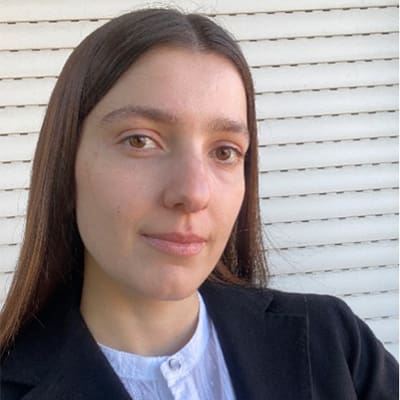
Nino Tchikadze, MD, is a neurologist specializing in movement disorders and a person who stutters. She completed her Neurology residency at S. Khechinashvili University Hospital in Tbilisi, Georgia. She later received a clinical training award from the International Parkinson and Movement Disorder Society and completed a fellowship at Sapienza University of Rome.
Dr. Tchikadze focuses on the diagnosis and management of movement disorders, with particular interest in Parkinson’s disease. She has presented award-winning work, including an E-poster recognized at the 2025 CONy Congress, and is a co-investigator on a Sapienza University project studying rigidity in Parkinson’s disease.
Motivated by her own experience as a person who stutters, she is also engaged in research exploring the neural mechanisms of stuttering, with growing interest in basal ganglia involvement.
Thomas Valente, MD, is a double board–certified adult and geriatric psychiatrist with more than 30 years of experience in private practice and community-based mental health care. He holds faculty appointments at the University of South Florida and the University of Central Florida Colleges of Medicine and serves as a clinical preceptor for medical and physician assistant trainees. For over 25 years, Dr. Valente has served as Chief Medical Officer at LifeStream Behavioral Center, where he provides direct patient care, supervises multidisciplinary teams, and supports clinical education. He is also a principal investigator in multiple clinical trials and has been active in pharmaceutical research since 2001.
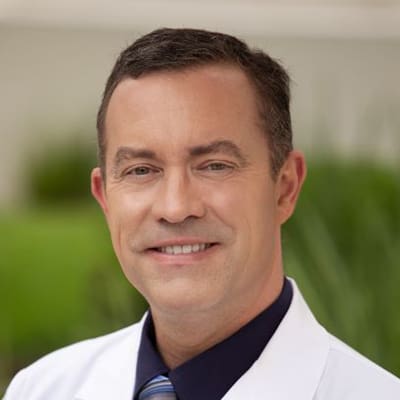
Dr. Devin K. Binder is a board-certified neurosurgeon specializing in epilepsy and functional neurosurgery, spine surgery, brain tumors, and MR-guided focused ultrasound for tremor. He graduated from Harvard and earned his M.D./Ph.D. from Duke University before completing neurosurgery training at UCSF and a fellowship in Germany. He is in private practice in Orange County and holds academic appointments at UC Riverside, where he leads an NIH-funded translational neuroscience lab.