

For People Who Stutter
Stuttering is Not a Choice —It's a Neurologic Condition
Understanding your stutter is the first step toward managing it with confidence. Everyone’s experience is unique, but with the right support and tools, stuttering doesn’t have to limit your opportunities. Stay in touch with us to receive updates on the latest advances in stuttering research and treatments.
Stay In TouchA Guide to Talking With Your Doctor About Stuttering
Thinking about treatment but unsure how to begin? This guide is here to help you take control of that process. It offers clear, practical guidance on how to talk to your doctor about stuttering, from describing your symptoms to exploring treatment options like speech therapy, counseling, and medication. It also helps you navigate situations where providers may not be familiar with current research. You know your experience best and this resource helps you communicate it and advocate for the care you deserve.
View Guide (PDF)


Dr. Yoshikzu Kikuchi
Dr.Kikuchi is an otolaryngologist and researcher at Kyushu University who works closely with children, teenagers and families navigating stuttering. He helps parents understand what’s happening in the brain and what support actually helps.
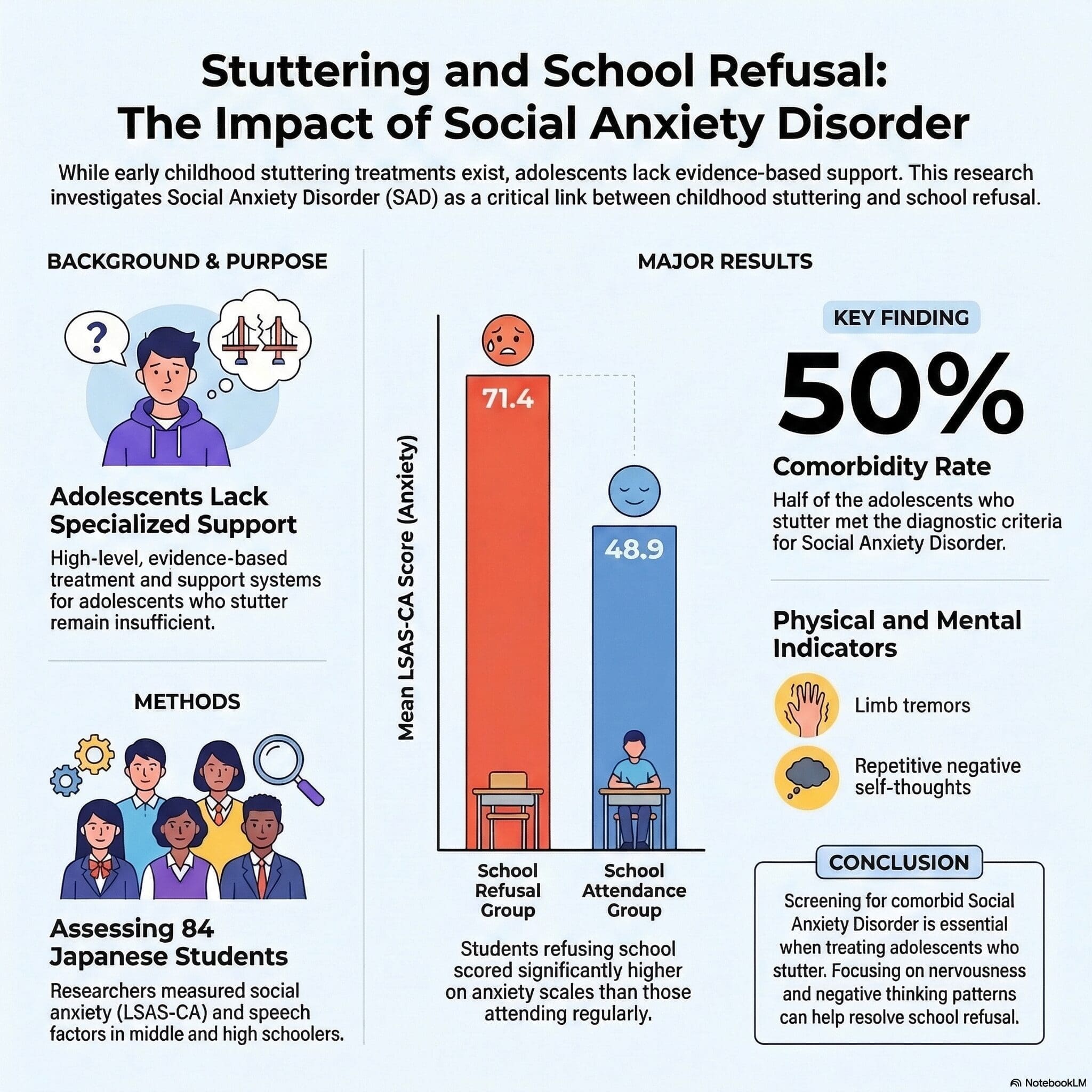
Childhood Stuttering and School Refusal
In a study of adolescents who stutter, 26% were refusing school and 50% met the criteria for Social Anxiety Disorder. The takeaway for parents: your child’s emotional experience of stuttering matters as much as their speech and noticing the signs early changes outcomes.
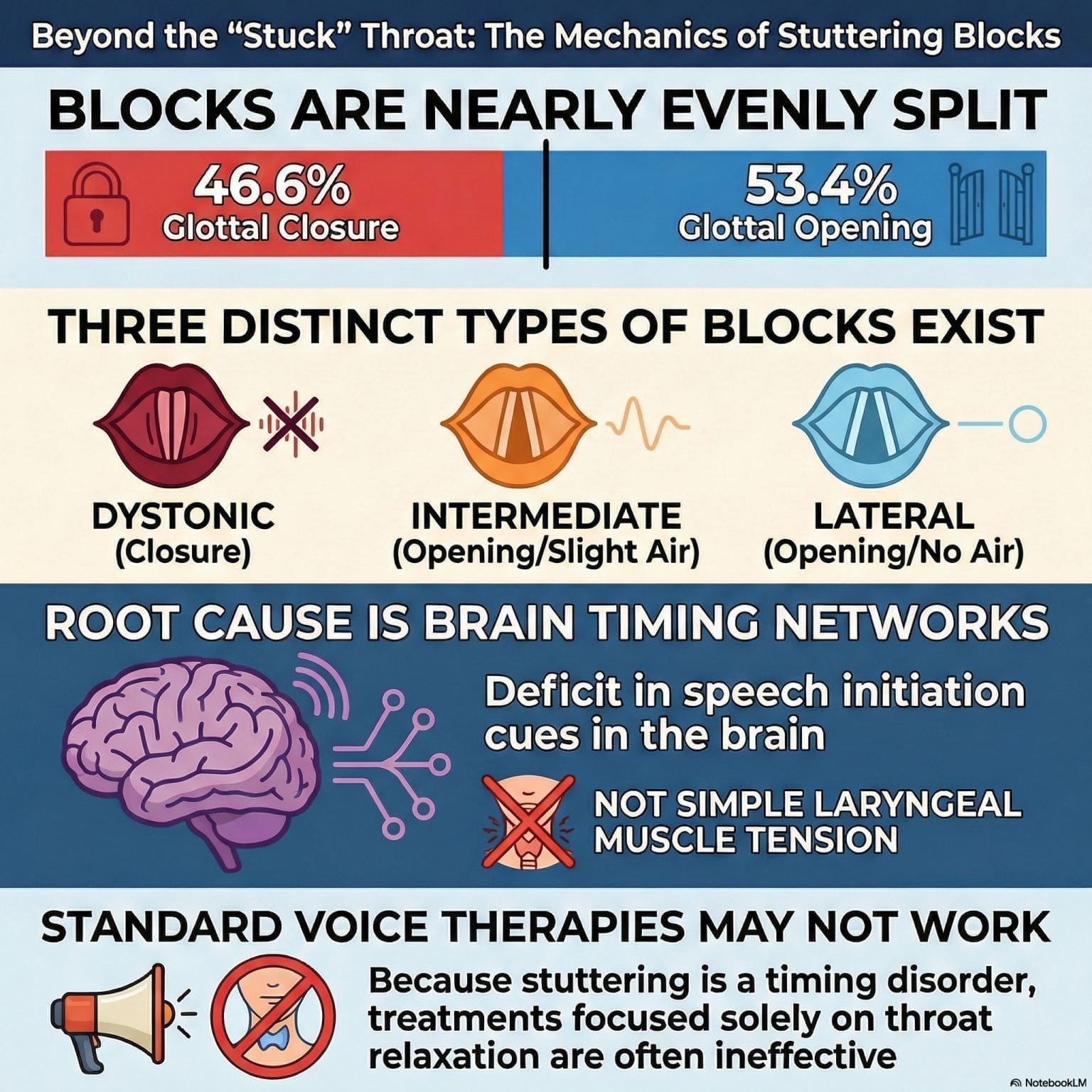
Beyond Fluency
Stuttering is more than what you hear.
Learn More
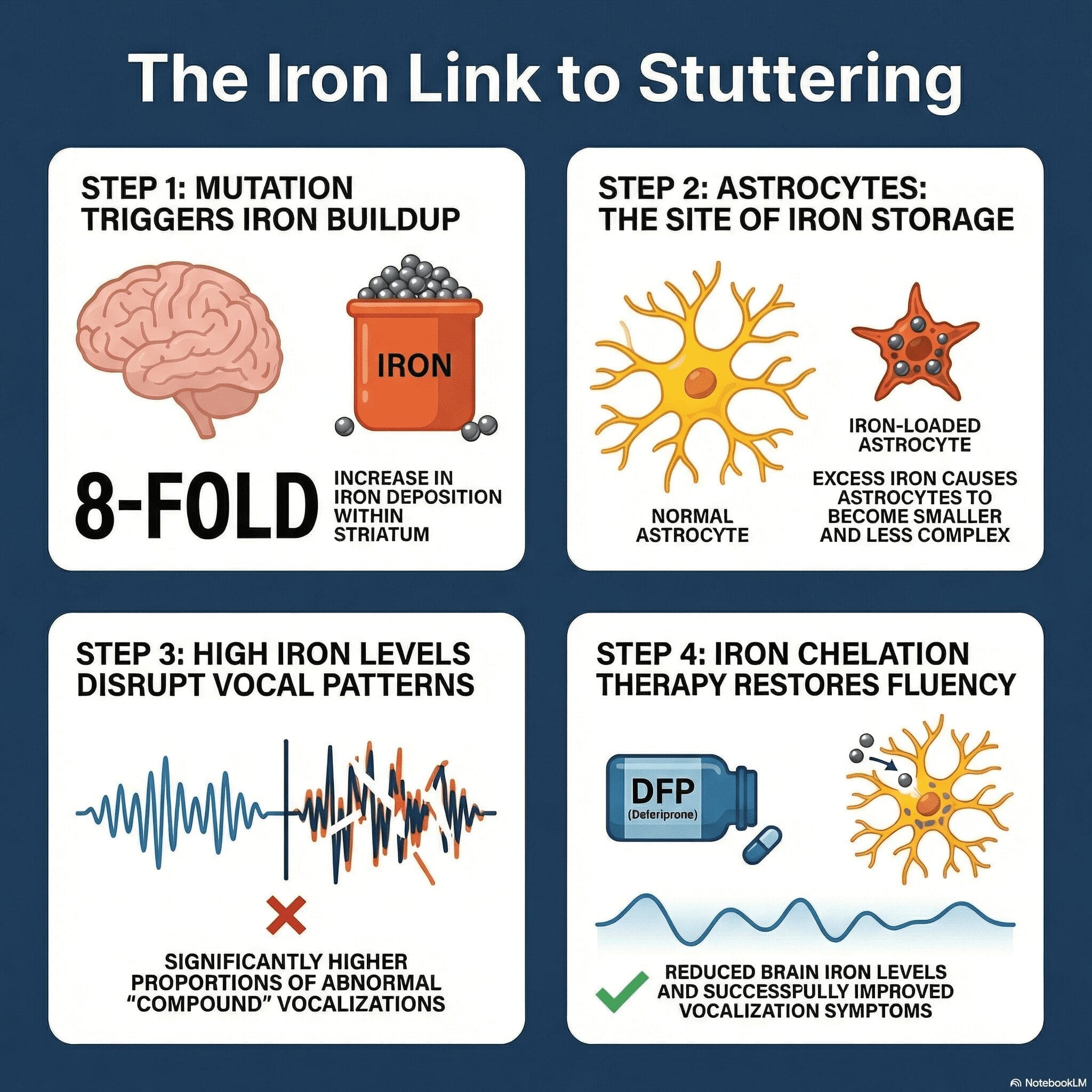
In the Body
How stuttering happens in the body.
Learn More
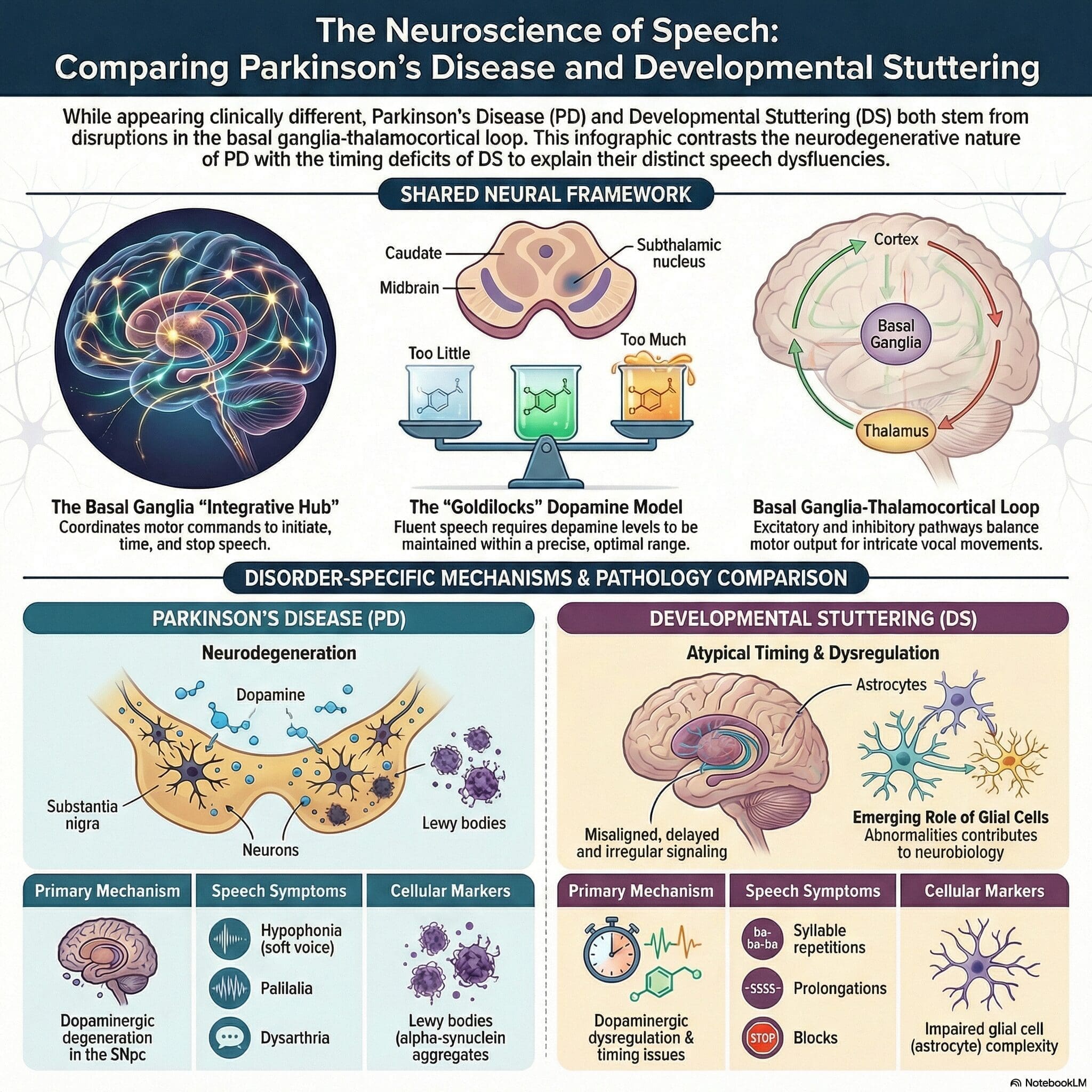
In the Brain
Why stuttering is biological, not behavioral.
Learn More
 English
  Spanish